Overview: Data is the foundation of our strategy. In a landscape as diverse as Kenya, generic solutions fail to address the root causes of FGM.
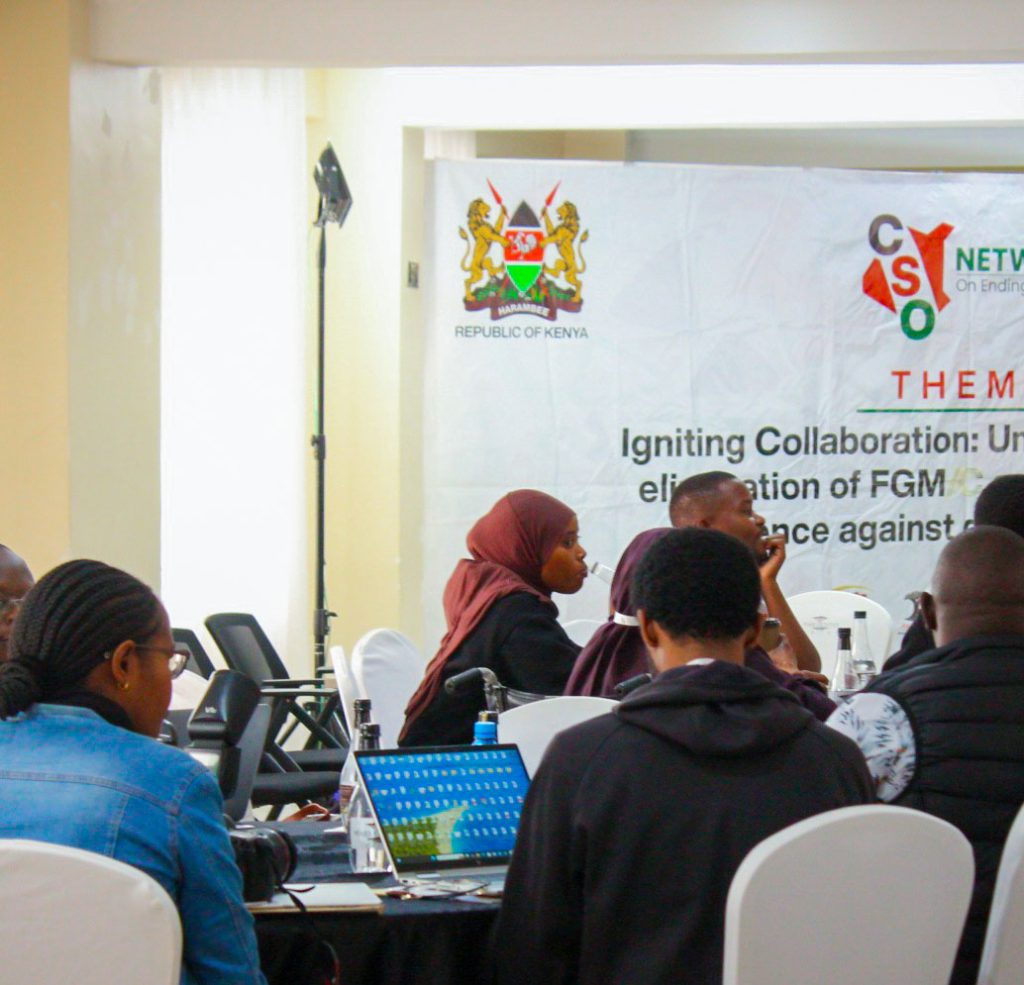
Our Research & Evidence working group is tasked with closing the data gap in FGM prevalence and determinants. We conduct localized baseline surveys and behavioral studies to understand the shifting nuances of FGM—from the move toward “medicalization” to the impact of cross-border practices. By collaborating with academic institutions and national bureaus of statistics, we translate raw data into actionable evidence. This ensures that every intervention we design is not based on assumption, but on the lived realities of the communities we aim to support.
Overview: Transforming commitment into compliance.
This thematic pillar focuses on the rigorous implementation of the Prohibition Against FGM Act 2011. Our advocacy work is multifaceted: we engage with national and county-level policymakers to ensure that anti-FGM budgets are protected and that the legal mechanisms for child protection are fully functional. We hold duty-bearers accountable by conducting policy audits and public interest litigation where necessary. Beyond the law, we advocate for the integration of anti-FGM programs into broader educational and health policies, ensuring that protection is a systemic right rather than an optional program.
Overview: Shifting norms from the inside out.
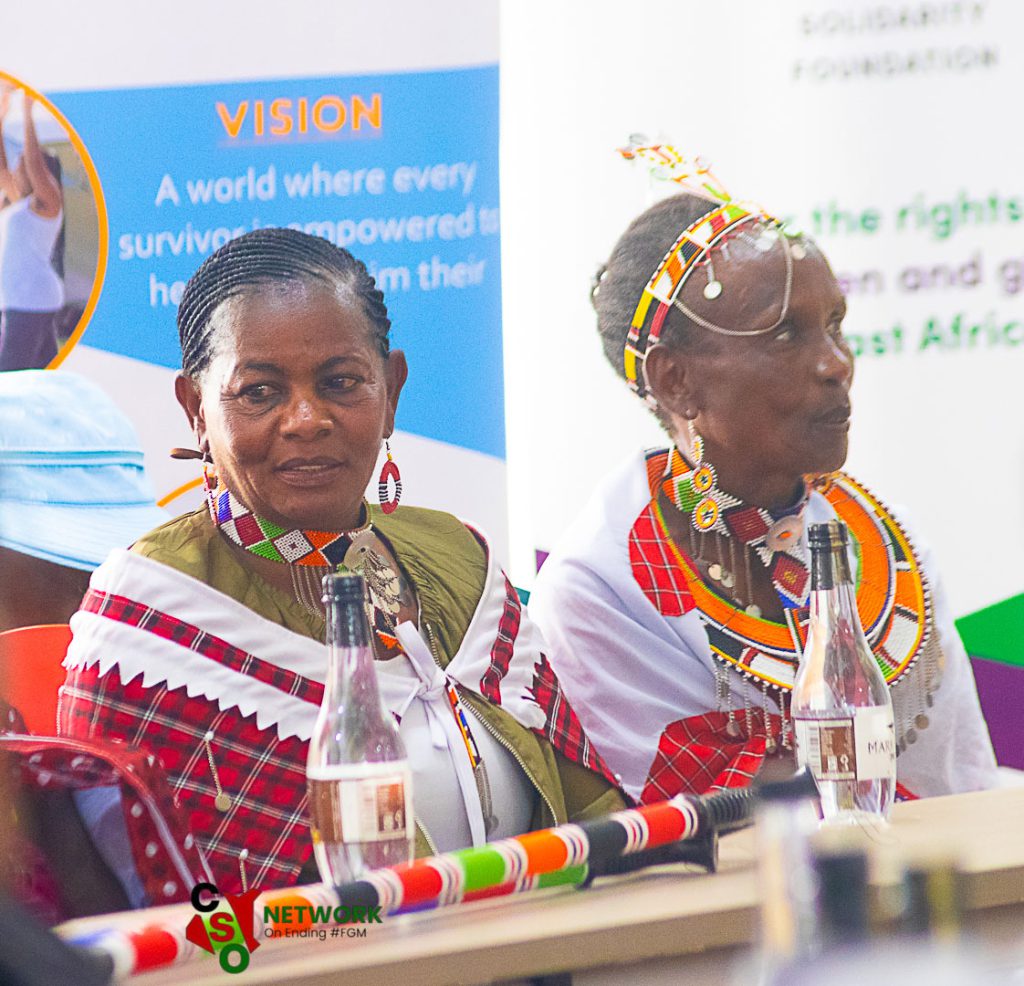
True change happens at the village level. Our Community Engagement pillar bypasses top-down messaging in favor of a “social norms” approach. We work directly with elders, youth groups, women’s leaders, and religious institutions to create safe spaces for dialogue where the harmful myths surrounding FGM can be dismantled. We champion alternative rites of passage and community-led declarations, where local leaders publicly commit to ending the practice. By fostering community ownership, we ensure that the transition to a life free from FGM is celebrated and protected by the very people who once upheld the practice.
Overview: Building a unified front for sustainable impact.
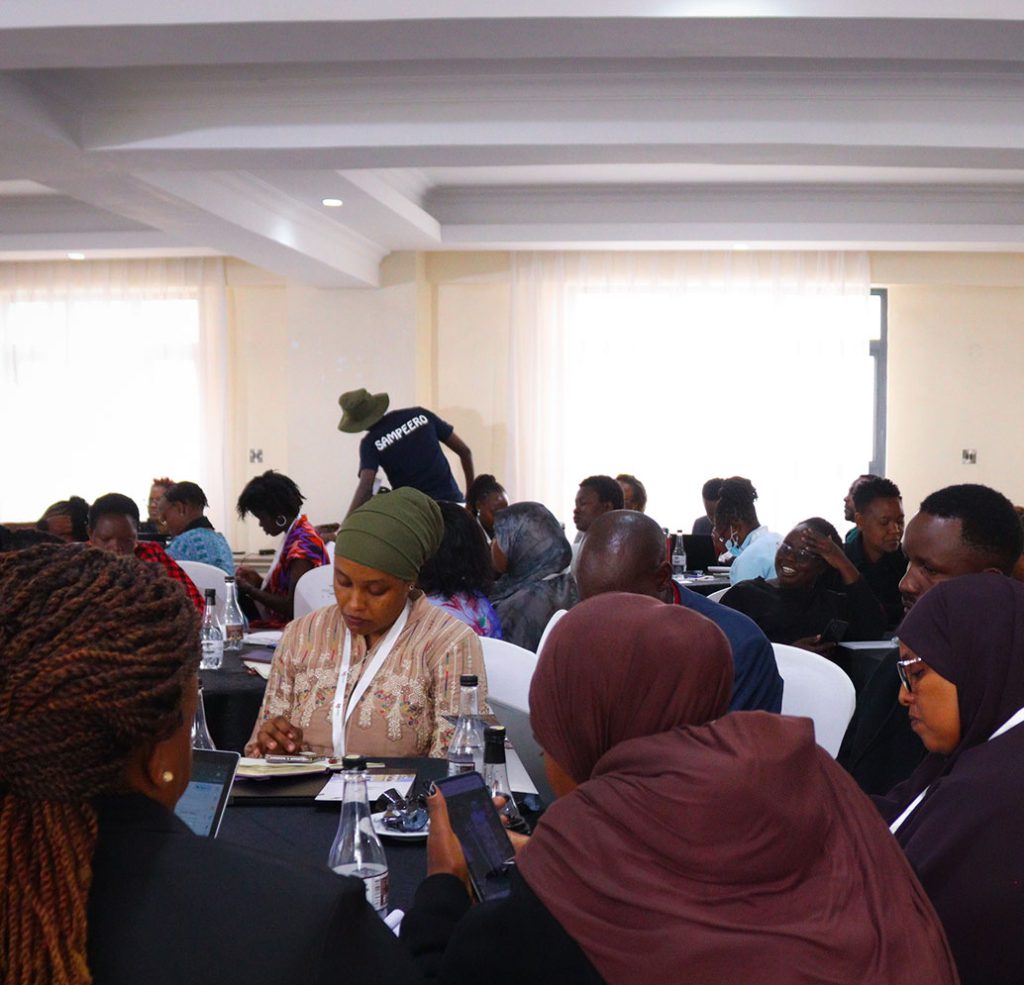
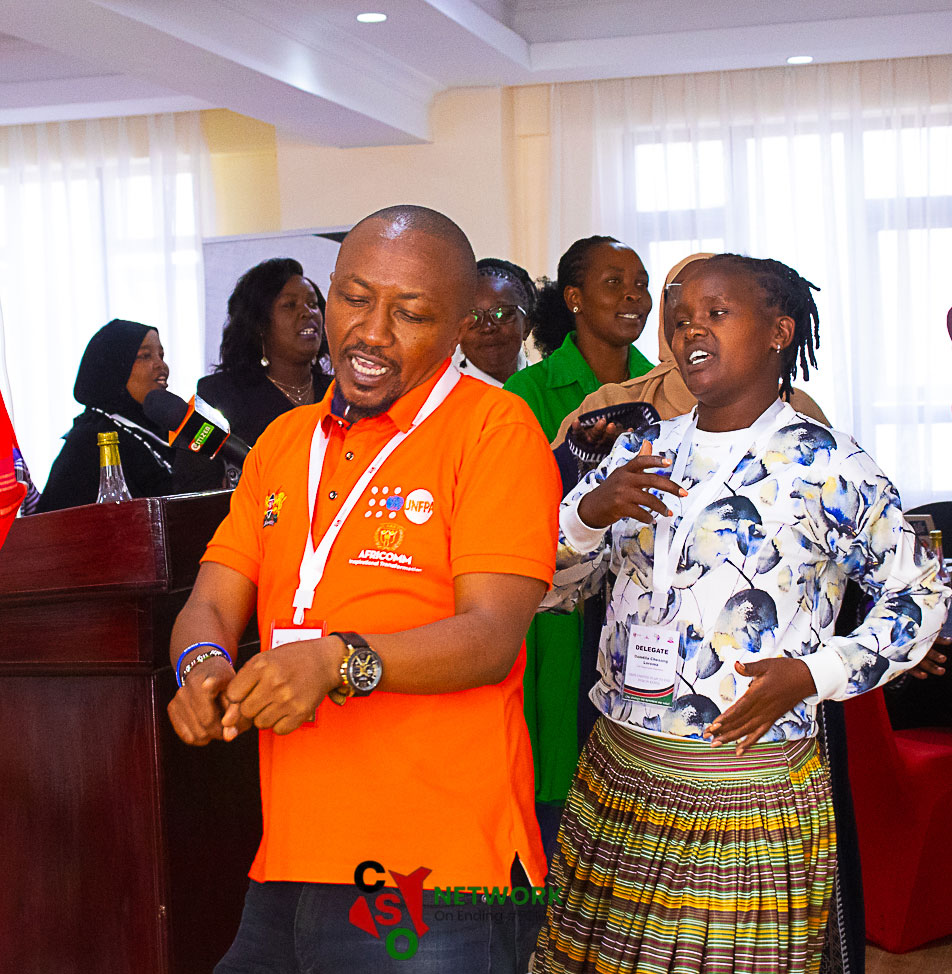
FGM eradication is a global challenge that requires a localized, collective response. This pillar manages our strategic alliances with international development partners (UNFPA, UNICEF, UN Women), the Anti-FGM Board, and private sector donors. Our focus is on resource synergy—preventing the duplication of efforts by mapping out where partners are working and identifying where gaps exist. We foster a “Network-First” culture, where information, funding opportunities, and technical expertise are shared openly, ensuring that the 2024–2030 Roadmap is backed by the financial and political capital required to reach every hotspot county.
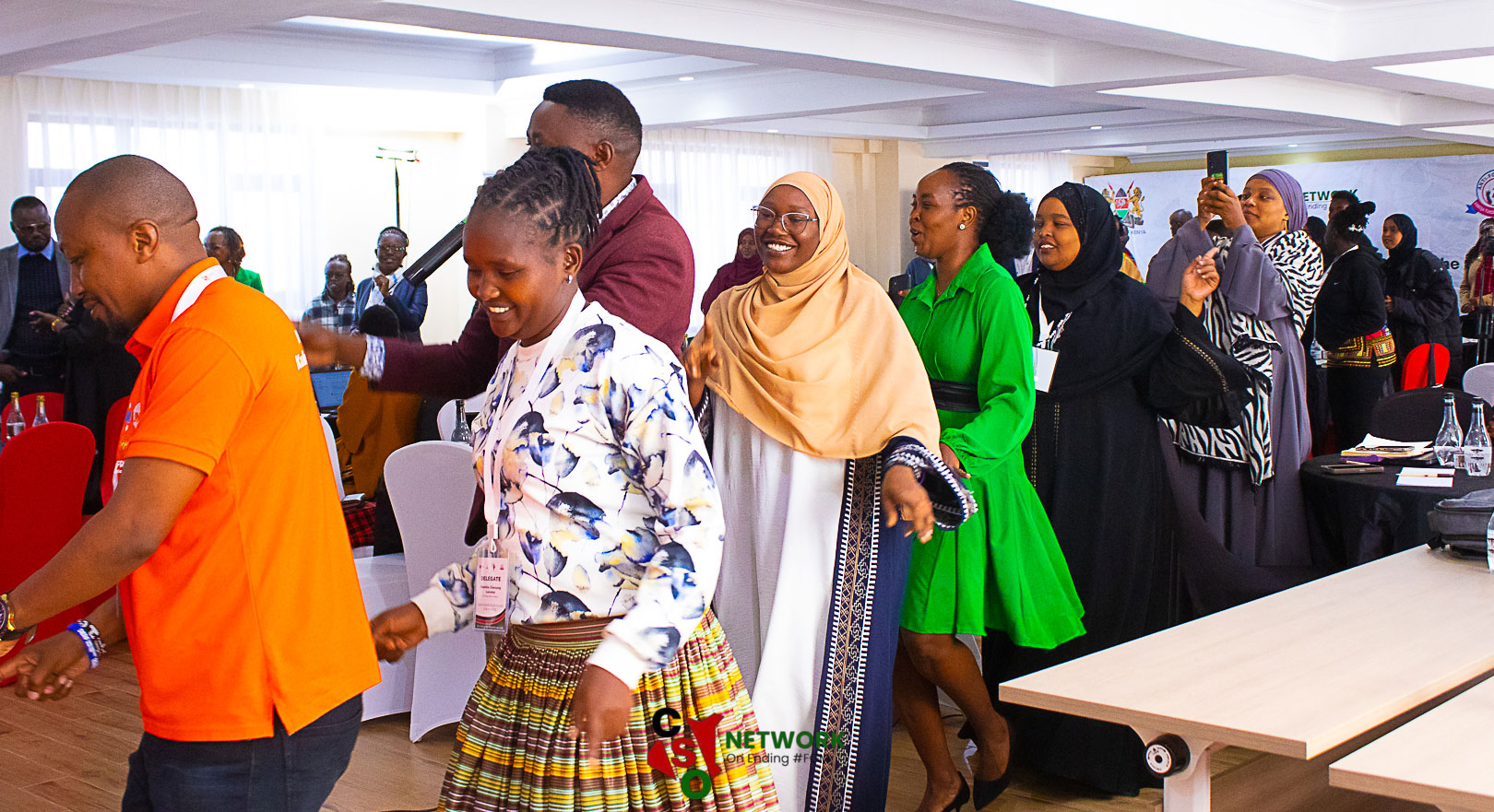
Our four Technical Working Groups (TWGs) do not act in isolation. They form an integrated ecosystem where data informs policy, and advocacy empowers our community outreach. Together, these pillars ensure that our interventions are not just temporary fixes, but sustainable shifts in the cultural landscape.